How Edna Lewis Became the Grand Dame of Southern Cooking (And What Her Story Teaches Us About Authentic Storytelling)
I was talking to a friend recently about how heavy everything feels in the world — now, but in so many ways, always. She reminded me that even in the darkest times in history, people still found joy. They still found moments outside the heaviness and kept moving forward.
That conversation was fresh in my mind when I started researching Edna Lewis for this Black History Month episode. Here was a woman who lived through Jim Crow, who couldn't eat in restaurants like the one she eventually owned, who was constantly underestimated. And yet she kept finding ways to create, to gather people around tables, to preserve what mattered.
Edna Lewis became the Grand Dame of Southern Cooking by finally telling the truth about where she came from—about Freetown, Virginia, a town founded by formerly enslaved people including her grandfather. Her story offers a lesson every creator needs to hear about the courage it takes to stop performing and start telling your real story.
Growing Up in Freetown
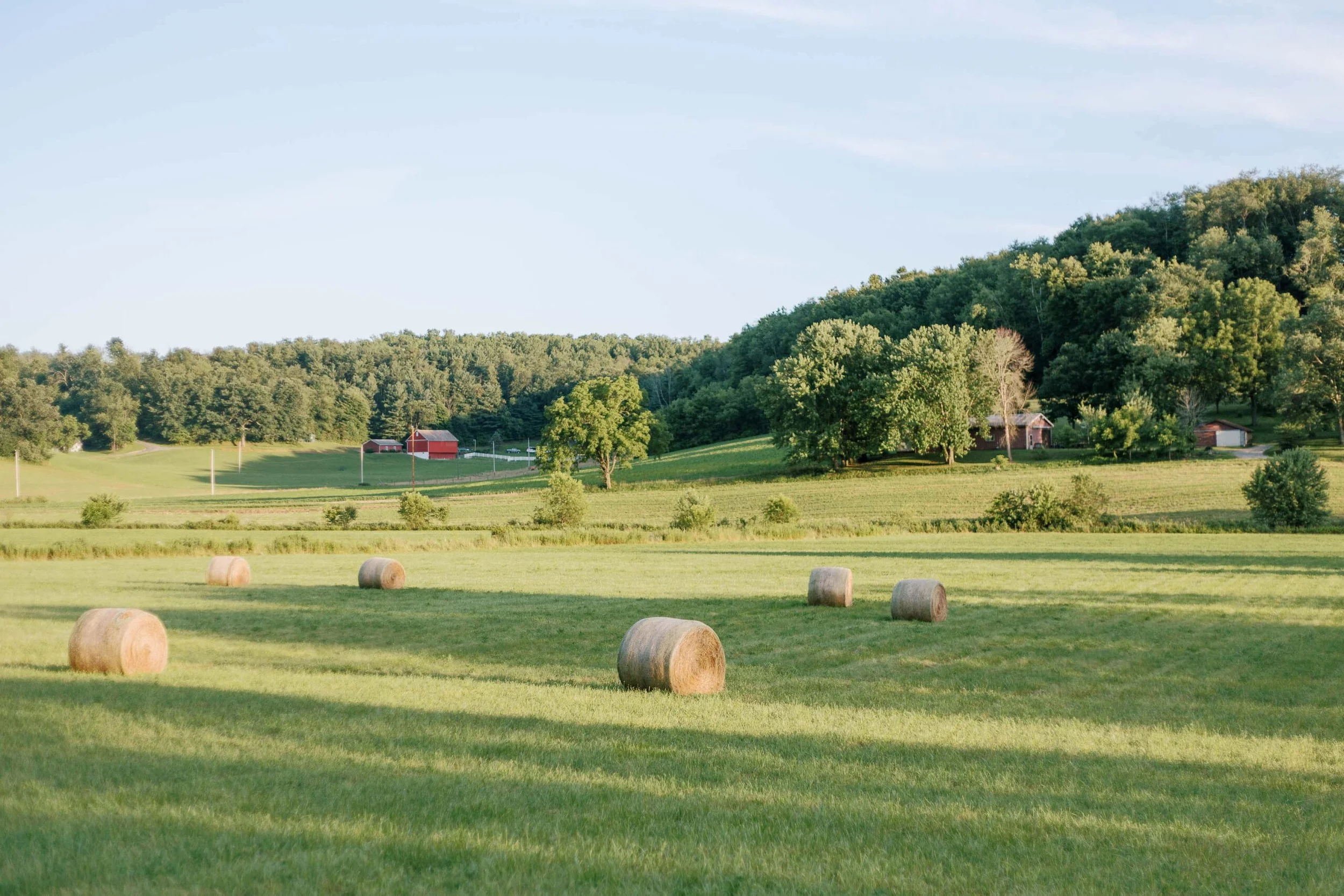
Edna Lewis was born April 13, 1916, in Freetown, Virginia—one of eight children. Freetown was founded by formerly enslaved people, including her grandfather Chester Lewis. They wanted to be known as a town of free people.
While Black Southerners across the region were trapped in sharecropping, Freetown families controlled what they grew, how they lived, how they farmed. That autonomy shaped everything about how Edna understood food and community.
Her earliest memories were sensory and seasonal. Walking barefoot behind her father as he plowed, pressing her feet into warm turned earth. Finding sassafras roots and taking them home for tea. Measuring baking powder on coins because they didn't have modern equipment.
Years later, even after decades in cities, she'd visit her siblings and they'd gather wild strawberries, can preserves, render lard, make fruitcake. She realized how much that bond held them together, and it was because of that food.
When her father died and she turned 16 in 1932, Edna left Freetown as part of the Great Migration—6 million African Americans fleeing Jim Crow laws, lynching, and KKK terrorism for northern cities. For Edna, it meant losing daily contact with the land, the seasons, and the community that formed her.
The Dinner Parties That Changed Everything
Edna's first job in New York City lasted three hours—she'd never ironed before. But she found work as a seamstress, eventually making dresses for Marilyn Monroe. She married Steven Kingston and got involved in political activism.
But here's where things get interesting: she started throwing dinner parties.
Edna hung out in artistic and bohemian circles, and her dinner parties became events. She was cooking the things she was excited about, blending Southern techniques from Freetown with New York sophistication, and other people got excited too.
Through those dinner parties, she met Johnny Nicholson and Carl Bissinger. In 1948, they opened Cafe Nicholson on the Upper East Side and asked Edna to cook. She had zero professional cooking experience—just everything she'd learned in Freetown. But she said yes.
The restaurant became a sensation. Tennessee Williams, Truman Capote, William Faulkner, Eleanor Roosevelt, Gloria Vanderbilt—they all came for her roast chicken and chocolate soufflé. A 1951 review described her soufflé as "light as a dandelion seed in a wind."
But many people insisted Cafe Nicholson was a French restaurant. They were surprised the food was as sophisticated as it was coming from a Black Southern woman. Think about that contrast: In the South, Edna couldn't have even eaten in a restaurant like that, much less owned and run one.
When the Pages Don't Match What You're Actually Saying
Edna left as head chef in 1954. She tried running a pheasant farm (until a mysterious disease killed all the birds overnight), opened a restaurant in Harlem that later closed, worked as a caterer and cooking teacher.
But the real transformation came when she started writing.
Her editor was Judith Jones—the legendary Knopf editor who had discovered Julia Child. When Edna showed her the first manuscript for The Taste of Country Cooking, Jones told her it wasn't the story she felt Edna was telling their conversations. What was happening on the page and in her heart were completely different.
Edna had been trying to blend her sophisticated restaurant cooking with her Freetown memories. She thought people wanted the urbane, the contemporary. She was hedging.
I tell clients this all the time: we'll have conversations about something, and then the pages they send me—I'm like, but it's not on the page. I know what you're saying. I know you think you're telling this story. It's not on the page.
People can tell when you're avoiding something. And people can also tell when you're being really truthful and you're telling a story that you're excited to tell.
Jones saw what Edna was doing. The magic wasn't in the restaurant dishes—it was in the wild strawberries, the rendered lard, the way Edna's community gathered to make fruitcake. That was the story no one else could tell.
When Edna finally committed to writing The Taste of Country Cooking in 1976, she organized it by season—spring, summer, fall, winter—because that's how food worked in Freetown. This wasn't quaint nostalgia. It was sophisticated knowledge that most modern cooks had lost.
The book became a classic, preserving Southern foodways and African American culinary traditions that might have disappeared.
Lean Into the Places That Feel Easy
It probably would have been so easy for Edna to write another book that was a mixture of restaurant dishes and Southern cuisine. Something that felt safer, more acceptable. But that's not what people needed.
If you learn anything from Edna Lewis, I would say this: lean into the places that feel very easy. Lean into the places that you might think—"Oh, is this what people really want?" And it's like, no. They want The Taste of Country Cooking.
Don't get it twisted—I have a Southern mama, so half of me is Southern, and I've lived in three Southern states. People really underestimate Southern cooking. They dismiss it, don't take it seriously. But Edna believed—and she was right—that Southern cooking is one of the most sophisticated cuisines in America because of the deep knowledge it requires.
That's your edge as a creator. Not in being like everyone else. Not in performing what you think people want. Your edge is in the specificity of your story—the parts you want to hide because they seem too different, too niche, too "other."
Finding Hope in Dark Times
When I was doing research on Edna, I was thinking about all these dichotomies happening in the country at that time. For most of that time, she wasn't even technically seen as equal in parts of the country. And how she was able to still move through society and do things people didn't think she could do.
I will always look for the hope. I will always look for hope and signs from other people's stories when the current times seem very dark and hard.
Edna Lewis died in 2006, but her influence continues to shape how we think about Southern cuisine and culinary storytelling. She proved that the most sophisticated thing you can do is tell the truth about where you come from. The parts of your story you want to hide are probably exactly what people need to hear. Stop trying to be what you think people want. Start being who only you can be.
